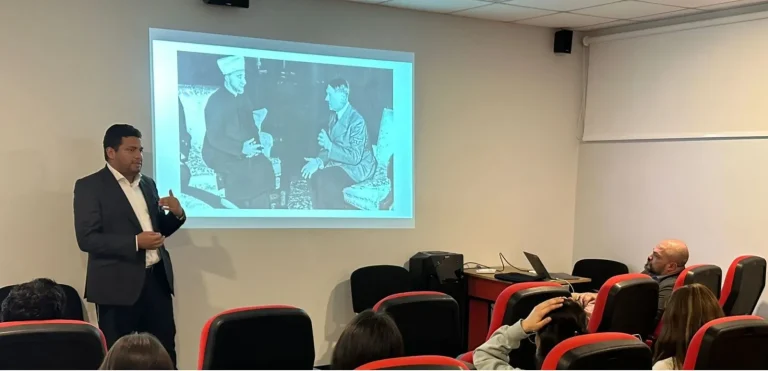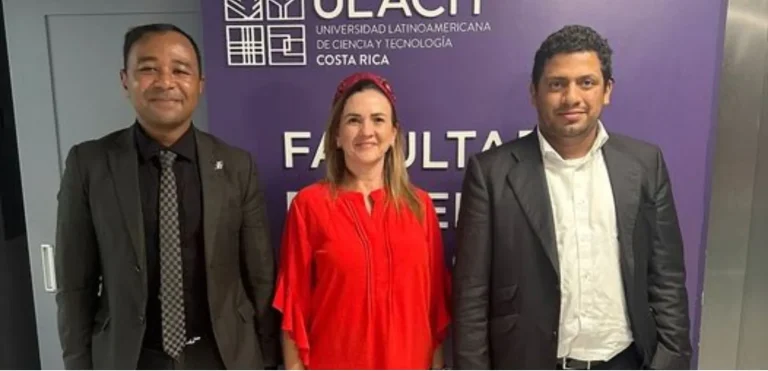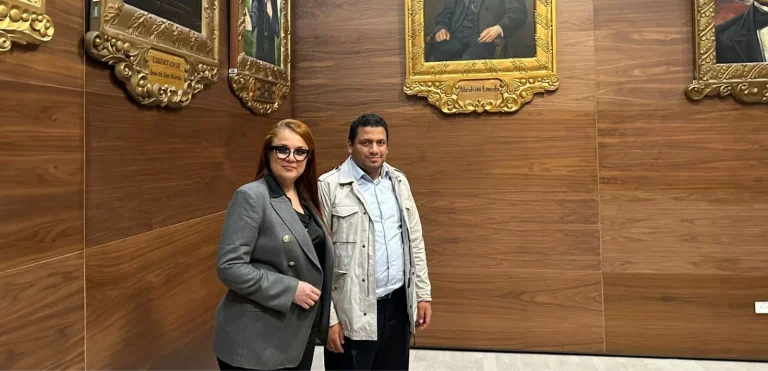
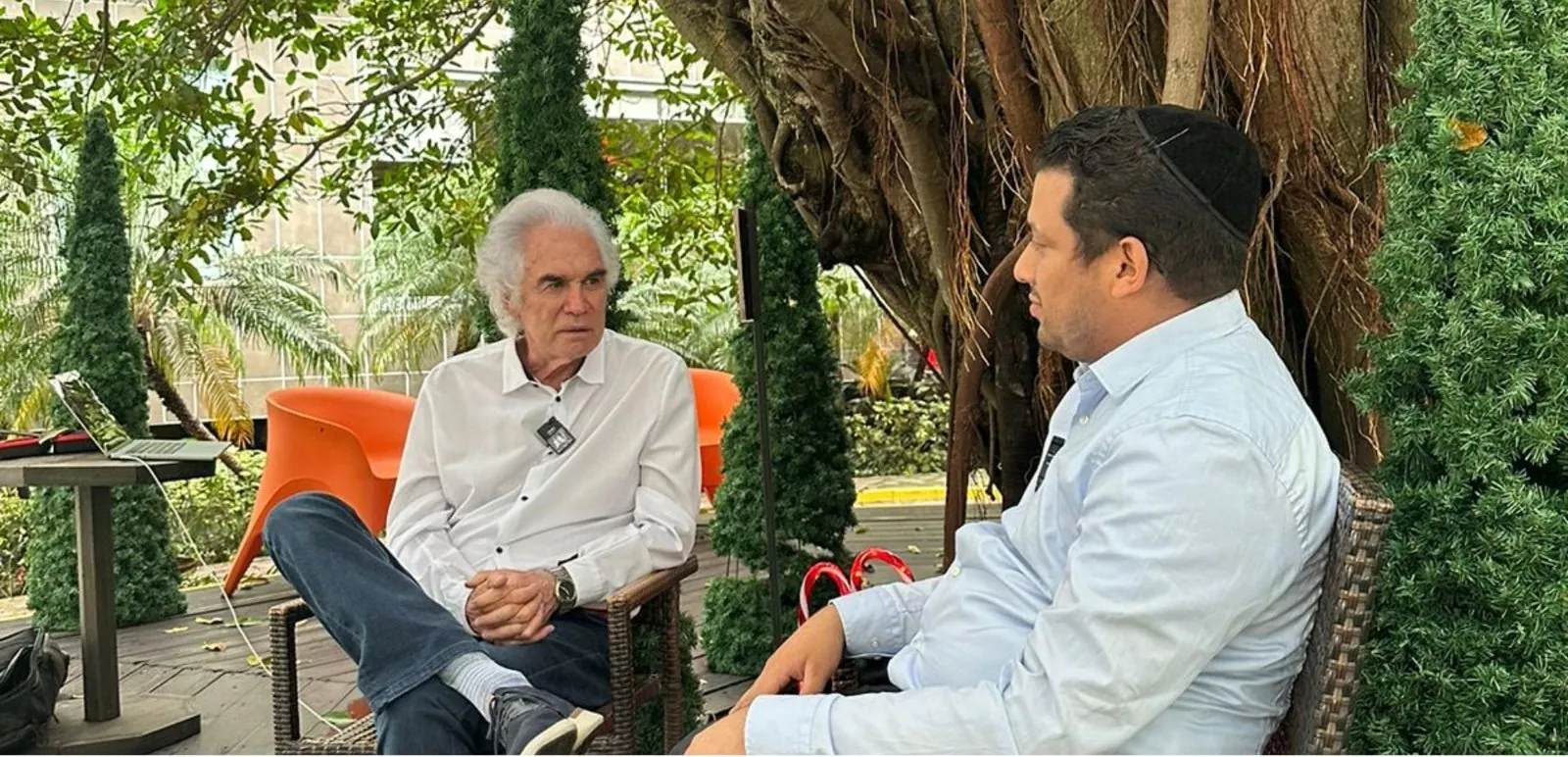
In November 2023, the Israel Ibero-America Chamber of Commerce (CILIB) reported that its President, David O. Abraham, has been actively participating in various Costa Rican media outlets to promote greater understanding of the causes of the conflict between Israel and Palestine. Through these appearances, he seeks to offer an objective and clear view of the historical, geopolitical and social aspects of a conflict that has endured for decades.
Television and Radio Interviews in Costa Rica
Abraham has appeared on the following programs, among others:
- “Café y Palabras”.
- Noticias del Canal 1.
- Alerta Roja, on Canal 8.
- “Red Democrática”, on the radio station CRC 89.1.
On these platforms, Abraham has set out the various factors that have contributed to the conflict, including the territorial, religious and political tensions and the foreign influence that have shaped the relationship between Israel and Palestine since the creation of the British Mandate in the area known as “Palestine,” as well as the warmongering activism of the Mufti of Jerusalem, who was an ally of the Nazis during the Second World War. He has also stressed the need for a deeper understanding of historical events in order to foster a constructive dialogue on the situation.
The Israeli Point of View on the Causes of the Conflict
In his interviews, Abraham has offered a summary of the Israeli point of view on the causes of the conflict. According to this approach, one of the most relevant factors is the creation of the State of Israel in 1948, following the United Nations decision to divide the British Mandate of Palestine into two states: one Jewish and one Arab. That decision was adopted through United Nations General Assembly Resolution 181 of November 29, 1947.
While the Jewish community accepted the partition plan, the Arab nations and the Palestinians rejected it and unanimously decided not to create a Palestinian state, which led to the 1948 Arab-Israeli War, immediately after the proclamation of the State of Israel.
From the Israeli perspective, the conflict has been fueled mainly by the refusal of some Arab and Palestinian actors to accept the existence of the State of Israel. This refusal has led to a series of wars and confrontations, including the Six-Day War in 1967, when Israel occupied the West Bank and Gaza because of the military threats it received from Egypt and Syria.
Security, a Central Element of the Israeli Approach
Another fundamental element of the Israeli approach is the issue of security. Since its creation, Israel has been the target of numerous attacks and conflicts with its neighbors. The threat from groups such as Hamas, which governs Gaza and does not recognize Israel’s right to exist, has been one of the main security challenges facing the Israeli State.
From the Israeli point of view, the conflict is perpetuated by the terrorist activity of these groups, whose goal is the destruction of the State of Israel, rather than a two-state solution that could guarantee peace in the region.
Interview with Political Scientist Jorge Woodridge
One of the highlights of his media appearances was the interview with political scientist Jorge Woodridge. Together they delved into the historical and geopolitical causes of the conflict, into how geography, religion and politics have complicated the search for a lasting solution, and into the importance of historical context for interpreting current dynamics: the role of international powers, the impact of failed peace agreements and the internal divisions in both Israel and Palestine.
Abraham also highlighted the influence of the 1993 Oslo Accords, which represented a significant attempt to reach a two-state solution. However, he noted that the failure of these accords and the outbreak of the Second Intifada in the early 2000s reinforced the divisions between the two sides and further complicated the picture.
CILIB’s Commitment to Information and Dialogue
Abraham’s appearances seek to inform about the conflict and promote a broader analysis of possible solutions. He has emphasized the importance of society having access to objective and well-founded information that allows for a more balanced understanding, removed from simplistic or partisan narratives.
The CILIB President has pointed out that, in order to move toward a peaceful solution, it is essential to understand the legitimate concerns of both sides, as well as the obstacles that have prevented progress in peace negotiations.
Thanks to the Media
CILIB thanks Café y Palabras, Noticiero del Canal 1, Canal 8, CRC 89.1 and all the hosts who opened the doors of their media outlets to the discussion of the Israeli-Palestinian conflict. Their commitment to offering a platform for dialogue has been crucial in raising public awareness of one of the most complex conflicts of the contemporary world.
About the Israel Ibero-America Chamber of Commerce
CILIB remains committed to promoting cooperation and dialogue between Israel and the Ibero-American nations in order to foster greater mutual understanding. More information about the Chamber, in the Israel country profile and in the Costa Rica country profile.